
Ko Yao Noi - The Charming Heart of Phang Nga Bay
A peaceful Muslim fishing island with world-class views, pristine beaches, and an authenticity that Thailand's resort islands lost decades ago
What Makes Ko Yao Noi Special
Ko Yao Noi sits almost exactly in the centre of Phang Nga Bay, equidistant between Phuket to the west and Krabi to the east. Its name translates as "Little Long Island" - a modest label for a place that consistently ranks among the most rewarding destinations in southern Thailand. Measuring approximately 12 kilometres from north to south and 4 kilometres at its widest point, Ko Yao Noi is small enough to circumnavigate by bicycle in an afternoon yet varied enough to fill a week of exploration without repetition.
The island is part of Ko Yao District, an administrative unit of Phang Nga Province that also encompasses the larger Ko Yao Yai to the south and a scattering of uninhabited islets. Despite its administrative ties to Phang Nga, Ko Yao Noi feels like its own self-contained world. The population of roughly 5,000 residents is predominantly Muslim, and daily life revolves around fishing, rubber tapping, and coconut farming rather than tourism. The call to prayer from the island's mosques still punctuates the morning air, water buffalo graze in rice paddies that run almost to the shoreline, and the older generation of islanders remembers a time before the first guesthouse opened.
Location and Geography
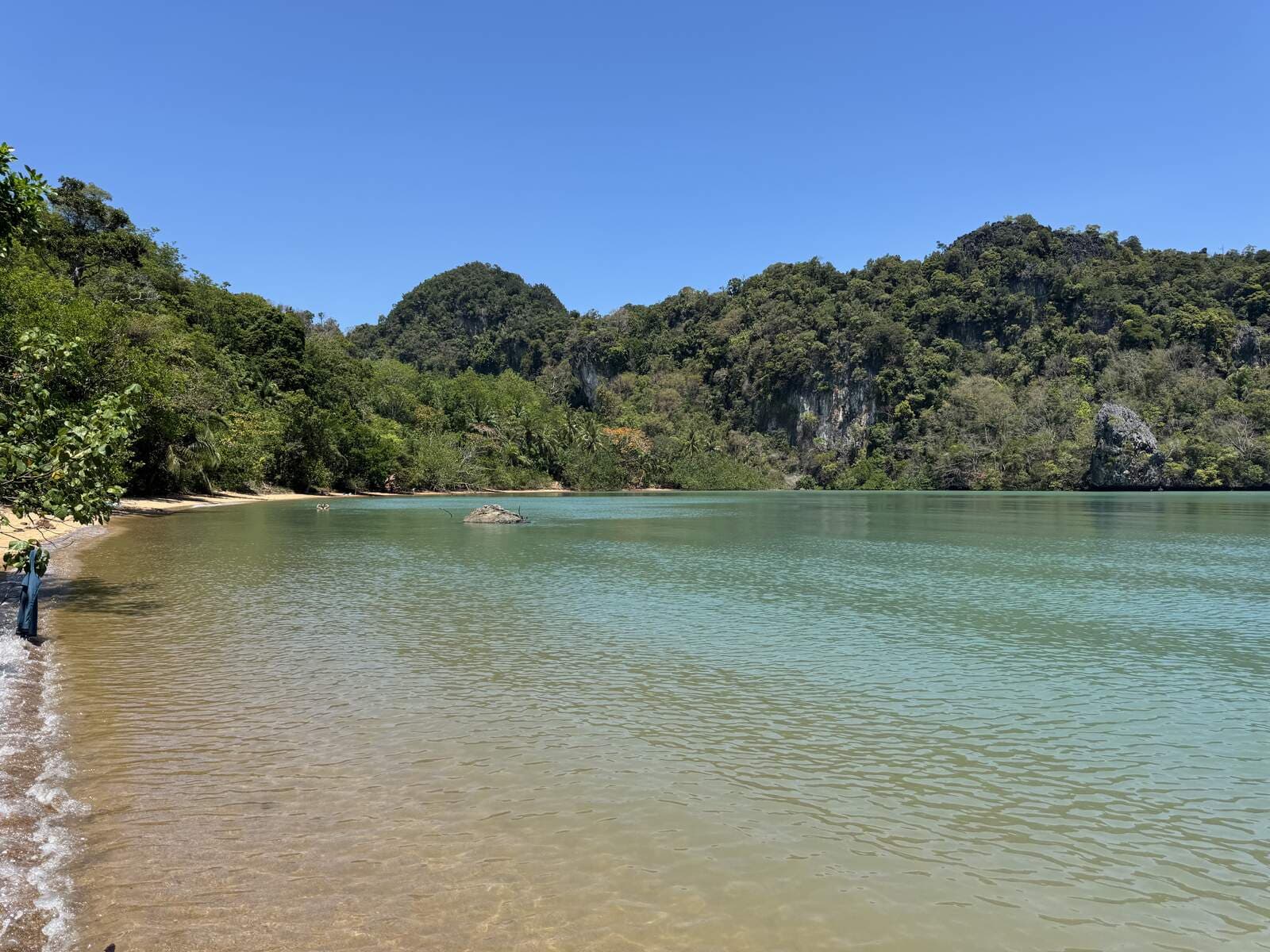
Ko Yao Noi occupies a privileged position in one of the most visually dramatic seascapes on Earth. Look west from any elevated point on the island and you are confronted with a panorama of sheer limestone karsts erupting from turquoise water - the same formations that draw millions of visitors annually to Phang Nga Bay excursions from Phuket. The difference is that from Ko Yao Noi, this view is not a day-trip snapshot; it is the backdrop to your morning coffee, your sunset swim, your evening walk.
The island's topography is gently undulating, with low jungle-clad hills reaching a maximum elevation of about 200 metres in the interior. The coastline is varied: the east side is characterised by mangrove forests, mudflats exposed at low tide, and the main settlement of Tha Khao clustered around the principal pier. The west and southwest coasts are more dramatic, with rocky headlands, secluded coves, and beaches that face directly into the open bay. The interior is a patchwork of rubber plantations, coconut groves, rice paddies, and strips of secondary forest that support a surprising variety of birdlife, including white-bellied sea eagles, brahminy kites, and several species of kingfisher.
The Island's Character
What sets Ko Yao Noi apart from virtually every other island destination in Thailand is the quality of its calm. This is not a party island. There are no nightclubs, no go-go bars, no full-moon events on the beach. Evenings are low-key - there are bars and beach clubs dotted around the island, but the atmosphere stays relaxed rather than raucous. Most evenings wind down to the sound of cicadas, distant conversation, and the occasional putt-putt of a returning fishing boat.
Ko Yao Noi was one of the first communities in Thailand to receive a World Legacy Award for community-based tourism, recognising the islanders' efforts to balance economic development with cultural preservation and environmental stewardship. Tourism is welcomed, but on the island's terms. Many guesthouses and tour operators are locally owned, and there is a genuine effort to involve visitors in local culture - through batik workshops, cooking classes, fishing trips, and mosque visits - rather than simply offering a beach-and-cocktail experience that could be anywhere in the tropics.
✨ Community-Based Tourism Pioneer
Ko Yao Noi received international recognition for its community-based tourism model, in which local families host visitors, guide tours, and manage natural resources collectively. This approach has preserved the island's character while distributing tourism revenue more equitably than the developer-led model seen on Phuket or Koh Samui.
Beaches on Ko Yao Noi
Ko Yao Noi's beaches are quiet stretches of golden sand backed by coconut palms and casuarina trees, where the tidal rhythms of Phang Nga Bay create a constantly shifting landscape. The eastern beaches tend to be more tidal, with vast mudflats at low water, while the western shores are generally more consistent for swimming. All of Ko Yao Noi's beaches are uncrowded by any reasonable standard - even the busiest will feel tranquil compared to Phuket or Phi Phi.
Pasai Beach (Hat Pasai)
Pasai Beach is the main beach on Ko Yao Noi, stretching for approximately 1.5 kilometres along the southeast coast between Tha Khao village and the road that loops south toward the interior. The sand is firm and golden, the water warm and shallow, and the views across the Andaman Sea toward the dark green ridgeline of Krabi province are expansive and calming.
Pasai Beach faces east, which means spectacular sunrises but also means it is subject to significant tidal variation. At high tide, the water reaches almost to the treeline and is deep enough for comfortable swimming. At low tide, the sea retreats hundreds of metres, exposing a vast flat of wet sand and seagrass that is interesting for beachcombing and crab-watching but impossible for swimming. This tidal pattern is worth understanding before you plan your day: check the tide tables (available at most guesthouses) and time your beach visits accordingly.
Numerous restaurants, cafes, and bungalow operations line the back of Pasai Beach, offering shaded seating, cold drinks, and Thai food ranging from simple rice dishes to fresh seafood. The atmosphere is unhurried and unpretentious. Kayaks are available for rent at several points, and at high tide you can paddle out to explore the rocky islets that dot the bay.
Klong Jark Beach (Hat Klong Jark)
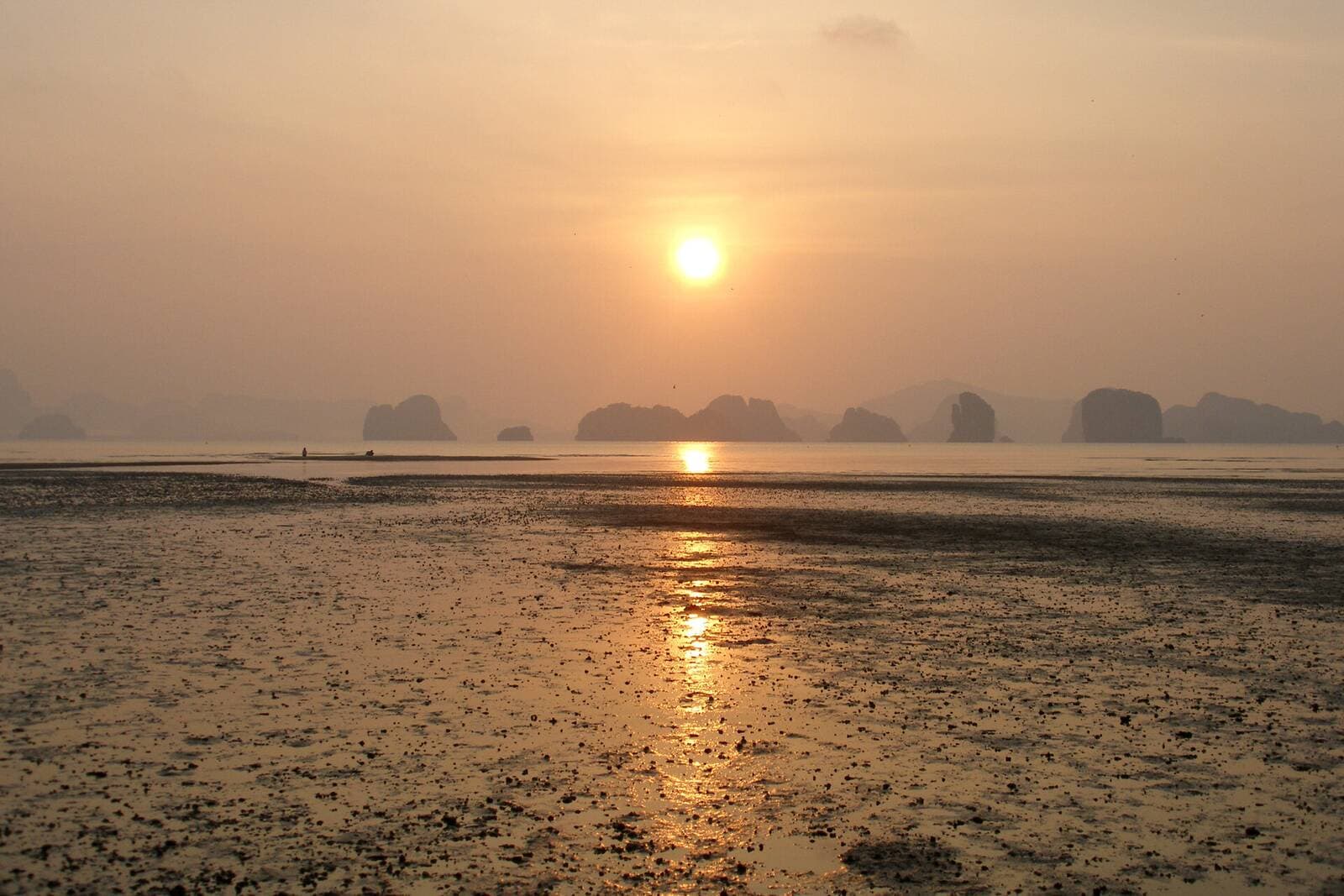
Klong Jark Beach occupies the southwest coast of Ko Yao Noi and is widely considered the most scenic beach on the island. The beach itself runs for about 300 metres in a gentle curve, framed by low headlands at each end and backed by a thin strip of coconut palms and native vegetation. The sand is softer and paler than at Pasai, and the water is clear and calm in the dry season.
What elevates Klong Jark above a merely pleasant beach is its outlook. From the sand, you look directly west across Phang Nga Bay toward a forest of limestone karsts that rise like giant stone teeth from the water. At sunset, these formations are silhouetted against a sky that cycles through gold, tangerine, and deep violet - one of the finest sunset panoramas in Thailand, witnessed by a fraction of the people who crowd Phuket's Promthep Cape for the same spectacle.
The water at Klong Jark is less affected by tidal extremes than the east coast beaches, making it more reliable for swimming throughout the day. The seabed is sandy with scattered rocks, and snorkeling is possible around the headlands at either end of the beach when conditions are calm. Several mid-range and upscale accommodations are located within walking distance, and there are several restaurants and cafes within walking distance serving fresh seafood and international cuisine.
Klong Jark is also the departure point for some kayak trips into Phang Nga Bay, taking advantage of the shorter crossing distance from the west coast. Renting a kayak here and paddling out toward the nearer karsts is an unforgettable experience, particularly in the golden light of late afternoon.
💡 Sunset Timing
Klong Jark Beach faces almost due west, making it the premier sunset spot on Ko Yao Noi. Arrive 30-45 minutes before sunset to settle in. The best viewing is from the southern end of the beach, where the karst silhouettes are most concentrated against the sky.
An Pao Beach (Hat An Pao)
An Pao Beach is Ko Yao Noi's hidden gem - a small, pristine cove tucked into the northwest coast of the island, accessible via a rough dirt track that branches off the main road near the northern end of the island. The beach is short, perhaps 200 metres, but the water is exceptionally clear and the snorkeling directly off the beach is among the best on the island. Rocky outcrops at each end of the cove shelter small coral formations where colourful reef fish congregate, and the sandy bottom slopes gradually to a comfortable depth.
Because the access road is unpaved and poorly signposted, An Pao receives very few visitors even in peak season. You may well have the beach entirely to yourself, particularly on weekdays. There are no facilities here - no restaurants, no sunbed rentals, no vendors - so bring water, snacks, and sun protection. The lack of development is precisely the point; this is what a Thai beach looked like before the tourism industry discovered it.
The surrounding coastline is fringed with mangroves and casuarina trees, and the birdlife is particularly good. White-bellied sea eagles are frequently spotted circling overhead, and at low tide the rocky shoreline attracts various wading birds. A short walk north along the coast from An Pao leads to a series of small rocky coves that are excellent for exploring at low tide.
Mankei Beach
Mankei Beach (possibly derived from "Monkey Beach") is one of Ko Yao Noi's most rewarding hidden beaches - but earning it requires effort. The route passes the treehouse accommodation on the island's north end and continues along a trail that scooters can't complete. You'll need to park up and walk the final stretch on foot through jungle to reach the shore.
The payoff is a stunning, almost always deserted cove that feels genuinely remote. The water is crystal clear and the sense of isolation is total - no vendors, no sunbeds, no other tourists most days. Bring water, snacks, and good footwear for the trail. This is a beach for adventurous visitors who don't mind working for their paradise.
Things to Do on Ko Yao Noi
Ko Yao Noi is not an island you visit for a packed activity schedule. The pace here is deliberate and unhurried, and the best experiences tend to emerge organically - a chance encounter with a rubber tapper at dawn, a conversation with a fisherman mending nets at the pier, a wrong turn on a bicycle that leads to a viewpoint you had not planned to find. That said, the island offers a genuinely diverse range of activities for those who seek them out, from physically demanding hikes and rock climbing to contemplative cultural workshops and leisurely boat trips.
Hike to Khao Ka Rot Viewpoint
The hike to Khao Ka Rot is the single most rewarding physical activity on Ko Yao Noi. The trail begins near the centre of the island, off the main road between Tha Khao and the west coast, and climbs steadily through rubber plantations and secondary forest to a rocky summit at approximately 180 metres above sea level. The hike takes 45 minutes to an hour each way, depending on fitness and how often you stop to admire the increasingly expansive views.
From the top, the panorama is staggering. To the west, the full sweep of Phang Nga Bay unfolds - dozens of limestone karsts scattered across an impossibly blue sea, with the hazy outline of Phuket in the far distance. To the east, the darker waters of the Andaman Sea stretch toward Krabi and the Phi Phi Islands. Below you, Ko Yao Noi itself is laid out like a relief map: the mosaic of rubber plantations and rice paddies, the clusters of village houses around the mosques, the white fringe of beaches along the coast. On clear days, you can see both Phuket and Krabi simultaneously, a reminder of how perfectly positioned this small island is.
The trail is moderately challenging. The lower sections are well-defined through the plantations, but the upper portion becomes steeper and rougher, with some scrambling over rocks and tree roots. Wear sturdy footwear, carry plenty of water, and start early in the morning to avoid the worst of the midday heat. The summit area is exposed, so bring sun protection. Late afternoon is another good time to hike, as the setting sun turns the karsts golden and the temperatures are more forgiving.
Visit The Big Tree (Ton Pha)
The Big Tree - known locally as Ton Pha - is one of Ko Yao Noi's most extraordinary natural landmarks. This ancient fig tree stands in the forest interior of the island, its massive buttress roots spreading outward like the ribs of a Gothic cathedral. The trunk circumference exceeds 10 metres, and the canopy towers above the surrounding vegetation, creating a natural cathedral of green light and shadow.
The walk to The Big Tree follows a marked trail through mixed forest, passing smaller but still impressive trees and a variety of tropical plants. The trail takes about 20 to 30 minutes each way from the nearest road access point, and the path is relatively flat and easy. Informational signs along the way identify some of the tree species and explain the ecological significance of old-growth trees in tropical forest ecosystems.
Visiting Ton Pha is more than a nature walk - it is a meditation on time and scale. This tree was old when the first rubber plantations were established on Ko Yao Noi over a century ago. Its root system stabilises the soil, its canopy provides habitat for birds and insects, and its fruiting cycles feed hornbills and flying foxes. The local community regards the tree with reverence, and its preservation is a point of pride.
Kayaking in Phang Nga Bay
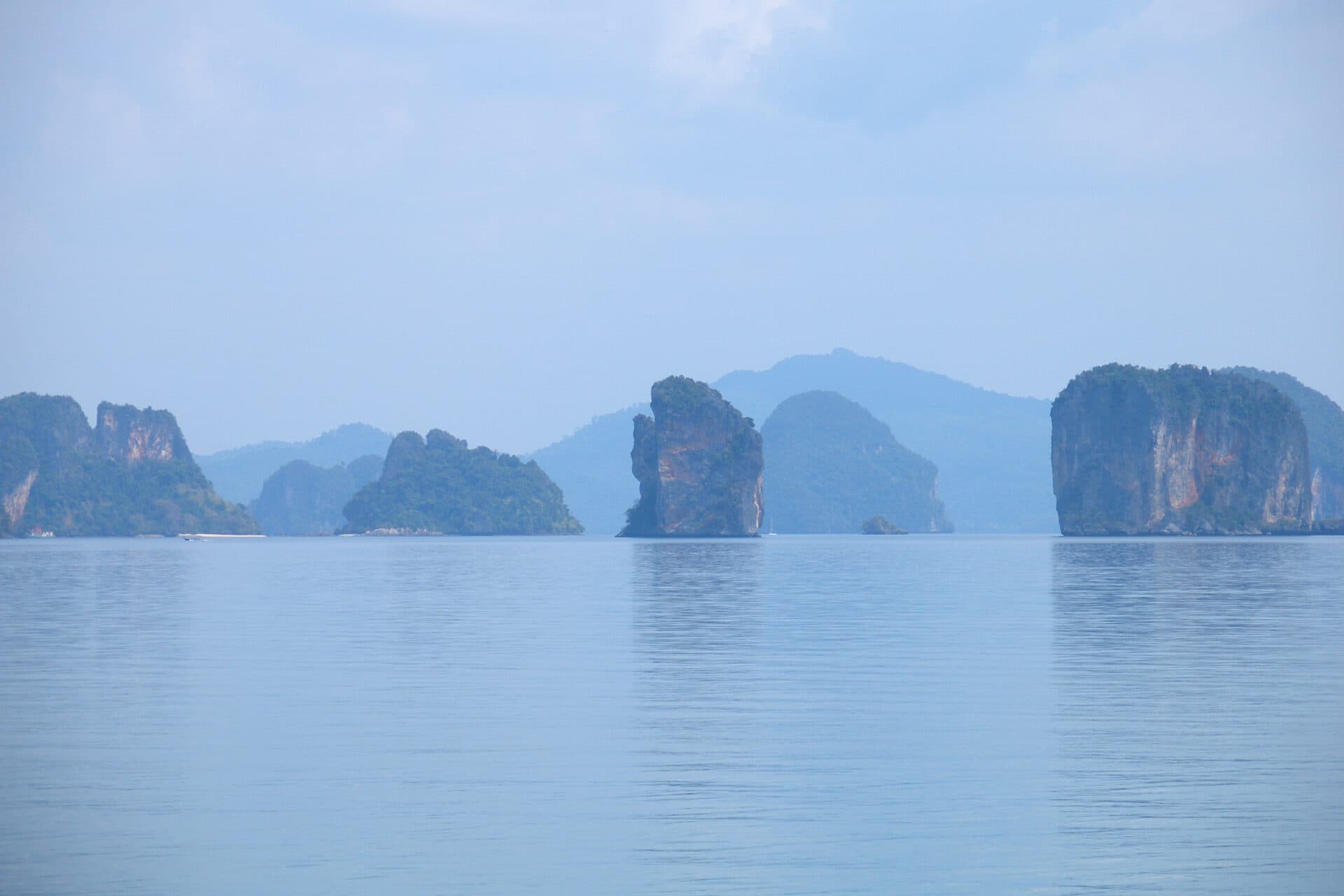
If you do one activity on Ko Yao Noi, make it a kayak trip into Phang Nga Bay. The island's position in the centre of the bay gives you access to some of its most spectacular scenery with shorter paddling distances than trips from Phuket or Krabi. Half-day and full-day guided excursions depart from the west coast, threading between towering limestone karsts, ducking into sea caves at the right tide, and entering the famous hongs - collapsed caverns that open into hidden lagoons ringed by sheer rock walls.
The experience of paddling silently into a hong, the rock walls closing in overhead and then suddenly opening to reveal a pool of jade-green water surrounded by ferns and hanging vines, is genuinely magical. The acoustics are otherworldly - the drip of water from stalactites, the chatter of swiftlets nesting in the cave roof, and the occasional splash of a fish are amplified by the natural amphitheatre of stone. Several of the hongs accessible from Ko Yao Noi are less visited than those on the Phuket day-trip circuit, meaning you are more likely to enjoy them in peace.
Guided trips typically include all equipment (kayak, paddle, life jacket, dry bag), a knowledgeable local guide who knows the tides and cave entrances intimately, and a packed lunch. Some operators use longtail boats to transport kayakers to the launching point, saving paddling energy for the most scenic sections. Independent kayak rental is also available for experienced paddlers, but be aware that tidal currents in the bay can be strong and the distances between karsts can be deceptive.
Rock Climbing at Tha Khao
Ko Yao Noi has established itself as one of southern Thailand's premier rock-climbing destinations, attracting climbers from around the world to its limestone crags near Tha Khao village. The climbing here is on high-quality karst limestone, featuring pockets, tufas, stalactites, and the occasional through-cave that makes you feel like you are climbing inside the mountain itself.
Routes range from beginner-friendly grades (French 4 to 5a) to challenging overhangs rated 7c and above, all easily accessible within a 10-minute walk or motorbike ride from the village. Several local operators run half-day and full-day courses including all equipment and instruction - no prior experience necessary. For experienced climbers, equipment rental and route beta for independent climbing are available. Deep-water soloing on sea cliffs accessed by longtail boat is also an option for confident climbers.
Cycling Around the Island
Ko Yao Noi's compact size, paved roads, and gentle terrain make it one of the best cycling destinations in southern Thailand. A full loop of the island covers approximately 25 kilometres and can be completed in three to four hours at a relaxed pace, though most cyclists will want to stop frequently for photographs, cold drinks, and impromptu swims.
The roads are quiet by any standard. You will share the tarmac with motorbikes, the occasional pickup truck, wandering chickens, and the odd water buffalo that has decided the warm asphalt makes a comfortable resting spot. The terrain is mostly flat to gently rolling on the east coast, becoming hillier on the west coast where the road climbs over a ridge with panoramic views before descending to the beaches.
Key stops on a cycling circuit include the viewpoints on the west coast road, Klong Jark Beach for a mid-ride swim, the rice paddies near the island's centre (particularly photogenic when flooded), and the fishing piers at the north and south ends of the island. Several guesthouses and small shops rent bicycles, typically sturdy single-speed models suitable for the terrain. More serious cyclists can find geared mountain bikes at a couple of the adventure-oriented tour operators.
ℹ️ Cycling Essentials
Carry at least one litre of water per person, wear sunscreen, and start early in the morning or late in the afternoon to avoid the midday heat. The west coast hills are the steepest sections - save your energy for those. There are small shops selling drinks and snacks in Tha Khao and at a couple of points along the east coast, but the west coast stretch has no services.
Batik Workshops in Tha Khao Village
Batik fabric painting is one of Ko Yao Noi's signature cultural experiences. The art of batik - applying melted wax to fabric in patterns, then dyeing the exposed areas - has deep roots in the Malay-Muslim communities of southern Thailand, and several small studios on Ko Yao Noi offer hands-on workshops where visitors can learn the technique and create their own piece to take home.
Workshops typically last two to three hours. You begin by sketching a design on white cotton fabric, then use a tjanting tool (a small copper reservoir with a spout) to apply hot wax along the design lines. The wax acts as a resist, preventing dye from penetrating the covered areas. After waxing, you apply natural or synthetic dyes in your chosen colours, wait for the fabric to dry, and then remove the wax by heating to reveal the finished design. The process is meditative and absorbing - even if you have no artistic background, the combination of wax and dye produces results that feel surprisingly accomplished.
The studios in Tha Khao village are typically small family operations, and the instruction is personal and patient. It is a genuine cultural exchange rather than a tourist performance, and many visitors cite it as one of the highlights of their Ko Yao Noi experience.
Snorkeling and Diving
The waters around Ko Yao Noi offer decent snorkeling, particularly off the rocky headlands and around small offshore islets. The best shore snorkeling is at An Pao Beach on the northwest coast, where rocky outcrops shelter small coral formations and schools of colourful reef fish. Elsewhere, half-day boat-based snorkeling trips visit sites like Koh Nok (a tiny island to the south with good coral cover), Koh Kai (famous for its sandbar), and the rocky reefs around the smaller islets in the archipelago.
For diving, Ko Yao Noi serves as a launching point for trips to more distant sites. The visibility in Phang Nga Bay itself is variable, affected by sediment and plankton, but the advantage is that dive operators here can run boats to premium sites like Shark Point (Hin Musang), a submerged pinnacle between Phuket and Phi Phi that attracts leopard sharks, barracuda, and dense soft coral gardens. King Cruiser Wreck, a ferry that sank in 1997, is another popular destination accessible from Ko Yao Noi. For the ultimate diving experience, multi-day liveaboard trips to the Similan Islands and Richelieu Rock can be arranged, though most divers book these from Phuket or Khao Lak.
Cooking Classes
Learning to cook southern Thai food on Ko Yao Noi is a more intimate experience than the large-group classes of Chiang Mai or Bangkok. Classes are typically small - four to eight participants - held in the instructor's own kitchen or an outdoor pavilion, beginning with a trip to a local market to select ingredients. Southern Thai cuisine is distinct, more influenced by Malay and Indian flavours: expect massaman curry, yellow curry with fresh crab, stir-fried sataw (stink beans), and seafood preparations using the day's catch.
Rubber Plantation Walks
Rubber is the backbone of Ko Yao Noi's traditional economy. A dawn visit to a working plantation lets you watch tappers score thin spiral grooves in the bark and collect white latex in small cups. Some guesthouses arrange guided walks where a local tapper explains the process from tree to finished rubber sheet, including the lifecycle of rubber trees (they produce from age seven to about thirty) and the daily rhythm of a tapper's life. The plantations are pleasant to walk through - neat rows of shaded trees and the faintly sweet smell of fresh latex.
Mangrove Kayaking on the North Coast
The north coast of Ko Yao Noi is fringed by extensive mangrove forests that are best explored by kayak. Guided tours paddle through narrow tidal channels that wind between the arching roots of the mangrove trees, a maze-like environment that feels wonderfully remote. The ecosystem is rich: expect to see mudskippers hopping along exposed roots, fiddler crabs waving their oversized claws, monitor lizards basking on sunny branches, and a variety of wading birds including herons, egrets, and kingfishers.
Mangrove kayaking is suitable for all fitness levels and is particularly good for families with children, who are fascinated by the strange and abundant wildlife. The channels are sheltered from wind and waves, so even inexperienced kayakers can manage comfortably. Tours typically last two to three hours and include a knowledgeable local guide who can identify the wildlife and explain the ecological importance of mangrove systems as nurseries for fish and crustaceans, coastal protection against storms, and carbon sinks.
💡 Best Time for Mangrove Kayaking
Mangrove kayaking is tide-dependent. The channels are only navigable at mid to high tide - at low tide, the water drains away and the mudflats are exposed. Most operators schedule trips around the tidal cycle, but it is worth confirming the timing when you book.
Where to Stay on Ko Yao Noi
Accommodation on Ko Yao Noi spans the full spectrum from world-class luxury to simple beachfront bungalows, with a strong mid-range segment that represents excellent value. The island is small enough that your choice of location matters less than on a larger island - nowhere is more than 15 minutes away by motorbike - but the two main areas offer distinct atmospheres.
East Coast (Tha Khao Area)
The east coast, centred on Tha Khao village and Pasai Beach, is where most of the island's infrastructure is located. Staying here puts you within walking distance of restaurants, the main pier, the 7-Eleven, and the shops, banks, cafes, and services that make up the village centre. The beaches are more tidal on this side, but the convenience factor is high, and there is a pleasant village buzz - particularly in the early evening when locals and visitors alike converge on the waterfront restaurants for fresh seafood.
Accommodation on the east coast ranges from simple fan-cooled bungalows for budget travellers to comfortable mid-range guesthouses and a couple of boutique properties. This is the best area for solo travellers and those who want to be close to the social centre of the island.
West Coast (Sunset Side)
The west coast is where the views are most spectacular and the atmosphere most secluded. The growing number of properties on this side of the island are set among hillside gardens or tucked into coves, and many rooms look directly out over Phang Nga Bay and its karst formations. Sunsets from the west coast are among the finest in Thailand.
The trade-off is distance from the village. While a motorbike makes the east-west crossing quick and easy, walking to the village for dinner is not practical from most west coast properties, though many have on-site dining, and some properties feel quite secluded - beautifully so, but worth considering if you want to be close to the village restaurants and bars. The upscale properties on this coast generally have excellent on-site restaurants, which compensates.
Choosing Your Price Range
Luxury: Ko Yao Noi punches well above its weight in the luxury category. The island's flagship properties offer the kind of experience that costs multiples more on Phuket or Koh Samui, set against a more authentic and less commercialised backdrop.
Mid-range: The sweet spot for many visitors. Clean, comfortable rooms with air conditioning, en-suite bathrooms, and often a pool or beach access. Many mid-range properties are family-run, adding a personal touch that corporate hotels cannot replicate.
Budget: Simple bungalows with fans (or basic air conditioning), cold-water showers, and a beachfront or garden setting. The facilities are basic but the locations are often superb, and the low cost means you can extend your stay and truly settle into island time.
Getting to Ko Yao Noi
Despite its peaceful seclusion, Ko Yao Noi is remarkably accessible. The island is served by regular ferry and speedboat services from both Phuket and Krabi, with journey times short enough to make same-day connections from either airport entirely feasible.
From Phuket
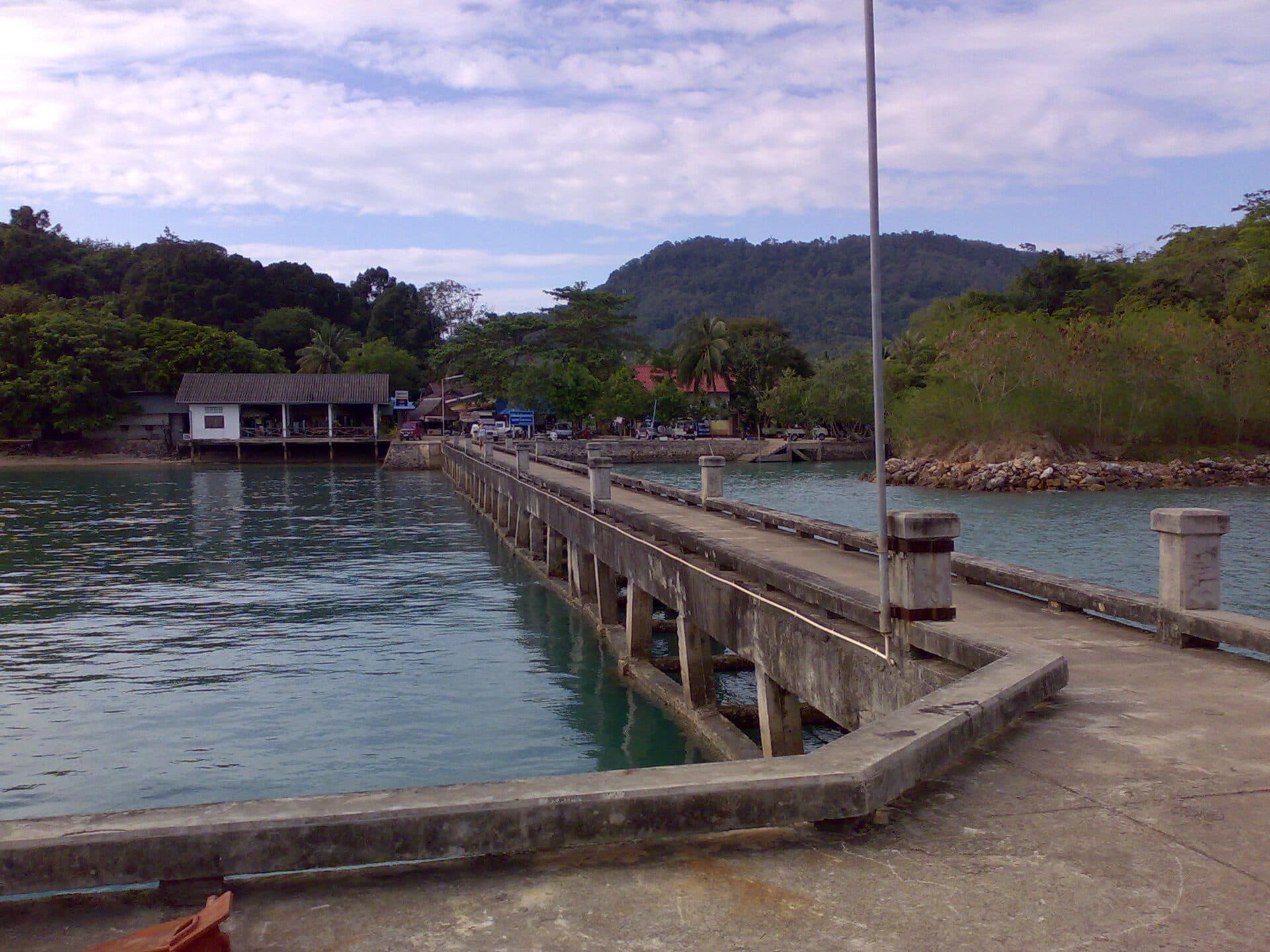
The most popular route to Ko Yao Noi departs from Bang Rong Pier on Phuket's northeast coast, about 30 minutes by road from Phuket International Airport and 45 minutes from Patong. Regular ferries make the crossing in approximately 30 minutes, running several times daily in both directions. The ferries are simple open-deck boats that also carry motorbikes and goods - perfectly serviceable and an enjoyable ride, with views of limestone islands and fishing boats along the way.
Speedboats also operate this route, cutting the crossing time to about 15 to 20 minutes. They are slightly more expensive but useful if you are connecting with a specific onward plan. During high season, there are additional speedboat services from Phuket's Rassada Pier in Phuket Town, which may be more convenient depending on where you are staying on Phuket.
From Krabi
Ferries to Ko Yao Noi from the Krabi side depart from Tha Len Pier (also called Thalane Pier), located about 25 kilometres northwest of Krabi Town. The crossing takes approximately 45 minutes to one hour, passing through scenic sections of Phang Nga Bay with karsts visible on all sides. The ferry service is less frequent than the Phuket route, so check schedules in advance. A few speedboat operators also cover this route, particularly in high season.
From Ao Nang, the main tourist hub in Krabi, getting to Tha Len Pier requires a 30-minute drive - taxis and minivans are available, and some ferry operators offer combined ticket-and-transfer packages.
From Phang Nga
There are occasional longtail and speedboat services from the Phang Nga mainland, particularly from Surakul Pier near Phang Nga Town. These are less established than the Phuket and Krabi routes and may not run daily outside of high season. If coming from Khao Lak, the Phang Nga route is the most direct but requires checking current schedules locally.
Inter-Island Connection
If you are combining Ko Yao Noi with Ko Yao Yai, longtail boats shuttle between the two islands multiple times daily, departing from Manoh Pier on Ko Yao Noi's south coast and arriving at Lo Pared Pier on Ko Yao Yai. The crossing takes about 10 to 15 minutes and costs very little. Some hotels on both islands can arrange private longtail transfers.
ℹ️ Airport Connections
Phuket International Airport is the closest airport to Ko Yao Noi, with a combined road-and-ferry journey of about 90 minutes. Krabi International Airport is also viable, though the total journey time is slightly longer due to the road transfer to Tha Len Pier. Both airports have extensive domestic and international connections.
Getting Around Ko Yao Noi
Ko Yao Noi is small enough that getting around is straightforward, though the options are limited compared to larger Thai islands. There is no public transport system, and taxis in the mainland sense do not exist. Instead, visitors rely on a combination of rented transport and the island's informal local services.
Motorbike Rental
The most popular way to explore Ko Yao Noi is by rented motorbike (scooter). Automatic Honda Click or Yamaha Fino scooters are available from numerous rental points around Tha Khao village and from many guesthouses and hotels. Expect to pay between 250 and 350 Thai baht per day, with discounts for weekly rentals. The roads are paved and generally in reasonable condition, though the west coast section has some steep gradients and occasional potholes. An international driving permit is technically required, though enforcement is relaxed. Helmets are provided and should always be worn - police checkpoints are infrequent but do occur, and the roads can be slippery after rain.
Bicycle
Cycling is an excellent option for the fit and adventurous. The island's loop road covers about 25 kilometres, with the east coast flat and easy and the west coast more challenging. Bicycles can be rented from several shops and guesthouses for around 100 to 150 baht per day. The key consideration is heat: cycling in the middle of the day is punishing, so plan rides for early morning or late afternoon.
Sidecar Taxis (Tuk-Tuks)
Ko Yao Noi has a small fleet of motorbike-with-sidecar taxis that operate on an informal basis. They congregate near the main pier when ferries arrive and can be flagged down on the road if you are lucky, but there is no meter, no app, and no guarantee of availability at any given time. Agree on the fare before setting off. This is a useful option for airport-style transfers (pier to hotel) but impractical for all-day exploration.
Walking
Tha Khao village and the area around Pasai Beach are compact enough to explore on foot. Walking to beaches or attractions further afield is possible but time-consuming in the heat. The road shoulders are narrow or nonexistent in places, so walking along the main road requires care, especially on the hillier west coast sections.
Practical Information for Ko Yao Noi
Money and ATMs
Ko Yao Noi has around 10 ATMs spread across the island - at the 7-Eleven, the Government Savings Bank (which also has a cash deposit machine), near the Six Senses resort, at the post office, and at several mini marts and shops around the village and Pasai Beach area. All charge foreign card fees of around 220 THB per withdrawal. Most mid-range and upscale hotels accept credit cards, but smaller restaurants, market stalls, and boat fares are cash only. There are no banks offering currency exchange - change money at Phuket or Krabi airport before arriving.
Shopping and Supplies
The 7-Eleven in Tha Khao stocks snacks, drinks, toiletries, basic medicines, and SIM cards. Several small local shops are scattered around the village. Fresh produce is available at the morning market in Tha Khao. For anything beyond basics - electronics, specialised medications, quality sunscreen - stock up on Phuket or Krabi before crossing.
Mobile Signal and Internet
AIS, DTAC, and TrueMove provide 4G coverage across most of the island, though signal weakens in the interior hills and along parts of the west coast. Most hotels offer Wi-Fi adequate for browsing and messaging. Digital nomads should test connectivity before committing to a long stay and consider a 4G SIM as backup.
Health and Medical
Ko Yao Noi has the Diamond International Clinic, two pharmacies (PharmaHouse and Kohyao Pharmacy near Tha Khao), and the Nulree Nursing Clinic. These can handle minor to moderate medical issues. For anything serious, you will need to ferry to Phuket, where Vachira Phuket Hospital and Bangkok Hospital Phuket provide comprehensive care. Travel insurance with medical evacuation cover is strongly recommended. Bring prescription medications from the mainland.
Electricity and Water
Electricity is reliable, supplied by undersea cable. Tap water is not safe to drink - bottled water is widely available and inexpensive, and most accommodation provides complimentary drinking water.
Cultural Sensitivity
Ko Yao Noi is predominantly Muslim. Dress modestly in the village and near mosques - cover shoulders and knees. Swimwear is fine on beaches and at hotel pools but not appropriate in the village or at markets. During Ramadan, many local restaurants close during daylight hours (tourist restaurants generally stay open). Alcohol is available at hotels and some restaurants, but public drunkenness is considered deeply disrespectful by the local community.
⚠️ Respect Local Culture
Ko Yao Noi's Muslim community has been welcoming to visitors for decades, and maintaining that goodwill is everyone's responsibility. Dress modestly in the village, remove shoes before entering homes or community spaces, ask permission before photographing people, and keep noise levels down - especially near mosques during prayer times.
Frequently Asked Questions About Ko Yao Noi
How do I get to Ko Yao Noi from Phuket Airport?
Is Ko Yao Noi suitable for families with young children?
What is the best time of year to visit Ko Yao Noi?
Are there ATMs on Ko Yao Noi?
Can I drink alcohol on Ko Yao Noi?
Do I need a motorbike to get around Ko Yao Noi?
Is Ko Yao Noi safe?
How long should I stay on Ko Yao Noi?
What is the difference between Ko Yao Noi and Ko Yao Yai?
Is there good Wi-Fi and mobile signal on Ko Yao Noi?
💡 Plan Your Visit
Ko Yao Noi rewards slow travel. Resist the temptation to pack every day with activities - some of the island's most memorable moments come from unplanned encounters: a fisherman offering you a ride to a secret beach, a sunset that stops you mid-cycle on a west coast hill, or an invitation to share tea with a rubber tapper. Build slack into your itinerary and let the island set the pace.
 Written by Matt | Last updated: