
Ko Yao Yai - The Wild & Untouched Island
The larger, quieter sister island in Phang Nga Bay - rubber plantations, empty beaches, and the pace of old Thailand
Ko Yao Yai (also spelled Koh Yao Yai): Thailand's Big, Unhurried Island
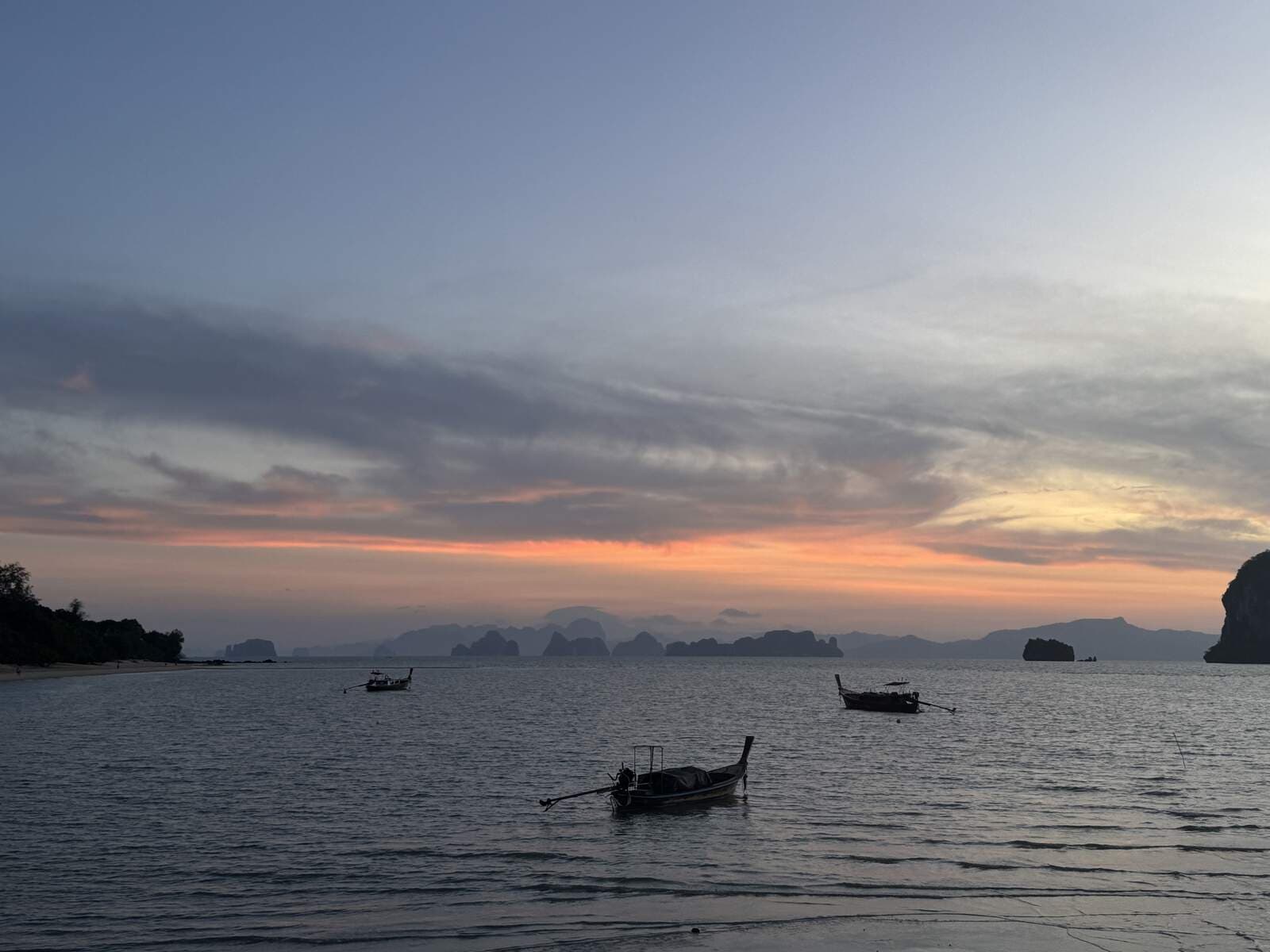
Ko Yao Yai - literally "Big Long Island" - is the larger of the two main Ko Yao islands sitting in the turquoise waters of Phang Nga Bay between Phuket and Krabi. Stretching roughly 28 kilometres from its northern tip to the rocky headlands of the south, and covering an area of approximately 100 square kilometres, it dwarfs its better-known sibling Ko Yao Noi by a factor of nearly three. Yet despite its size, Ko Yao Yai remains one of the least developed inhabited islands in the Andaman Sea region, a place where agriculture and fishing still define daily life and where tourism exists on the fringes rather than at the centre of the local economy.
The island sits within the administrative district of Ko Yao, Phang Nga Province. Its population hovers around 8,000 residents, the overwhelming majority of whom are Thai Muslim fishing and farming families who have lived here for generations. The interior is dominated by vast rubber plantations that march up low hillsides in neat rows, interspersed with coconut groves, cashew orchards, and pockets of primary rainforest that harbour monitor lizards, long-tailed macaques, and hornbills. Along the coast, the scenery alternates between mangrove estuaries, rocky promontories, and long sweeps of sand that see vanishingly few footprints.
What Makes Ko Yao Yai Different
If Ko Yao Noi is the island you visit for a comfortable boutique-hotel escape with yoga classes and Phang Nga Bay views, Ko Yao Yai is the island you visit to feel genuinely remote. The difference is tangible the moment you step off the ferry. There are two 7-Eleven stores on the island (the most recent additions to the island's growing infrastructure). There are around 9 ATMs across the island, though they can occasionally run out of cash during peak periods. The road network, while improved significantly compared to a decade ago, still includes long stretches of cracked concrete and unpaved laterite that wind through plantation country with no buildings in sight for kilometres. Mobile data coverage is patchy outside the northeast corner around Loh Paret, and some of the southern beaches remain reachable only by unmarked tracks that test even a sturdy motorbike.
This rawness is Ko Yao Yai's defining appeal. The island attracts travellers who have already done Phuket, already done Phi Phi, already done Railay - and are looking for something that feels like Thailand before the tour buses arrived. It draws cyclists, motorbike tourers, wildlife watchers, and anyone who simply wants to spend a few days somewhere beautiful and profoundly quiet. The trade-off is real: nightlife is nonexistent, and you need to be comfortable with self-sufficiency and a degree of improvisation. But for those who embrace the conditions, Ko Yao Yai rewards like few places in Southeast Asia still can.
Geography and Landscape
The island's geography is shaped by a central spine of low, jungle-clad hills that run roughly north-south, reaching a maximum elevation of around 160 metres in the southern third. The northern portion of the island is flatter and more agricultural, characterised by the neatly gridded rubber plantations that provide the primary livelihood for most of the island's families. Rubber tapping begins before dawn - you will hear the scrape of knives on bark if you are up early enough - and the white latex drips into small cups attached to each tree trunk, collected later in the morning for processing.
The eastern coastline faces out across the sheltered waters of Phang Nga Bay toward the mainland coast of Krabi Province. This side of the island is calmer, with shallow water that retreats dramatically at low tide to expose mud flats and seagrass meadows. The western coast is more exposed to the open Andaman Sea, with deeper water, stronger currents during the monsoon months, and a succession of mangrove-fringed bays that shelter an extraordinary diversity of birdlife and juvenile marine species. The southern tip of the island is the wildest section: steep hillsides dropping to boulder-strewn coves and headlands battered by surf during the southwest monsoon from May through October.
The view from almost any point on Ko Yao Yai is dominated by the dramatic limestone karst formations of Phang Nga Bay - the same geological spectacle made famous by the James Bond film "The Man with the Golden Gun," but seen from Ko Yao Yai without the tour-boat traffic. These ancient towers of weathered limestone erupt vertically from the water in every direction, forming a surreal horizon that changes character with the light throughout the day.
ℹ️ Island Essentials
Ko Yao Yai is better equipped than older guides suggest. There are around 9 ATMs across the island (at both 7-Elevens, near the main pier, and at various shops), 20+ restaurants and cafes, two medical clinics (Takecare Medical Clinic and Andaman International Clinic with 24/7 service - tel: +66 63 268 0303), and a pharmacy. Download offline maps before you arrive as mobile signal can be patchy in the south.
Beaches on Ko Yao Yai
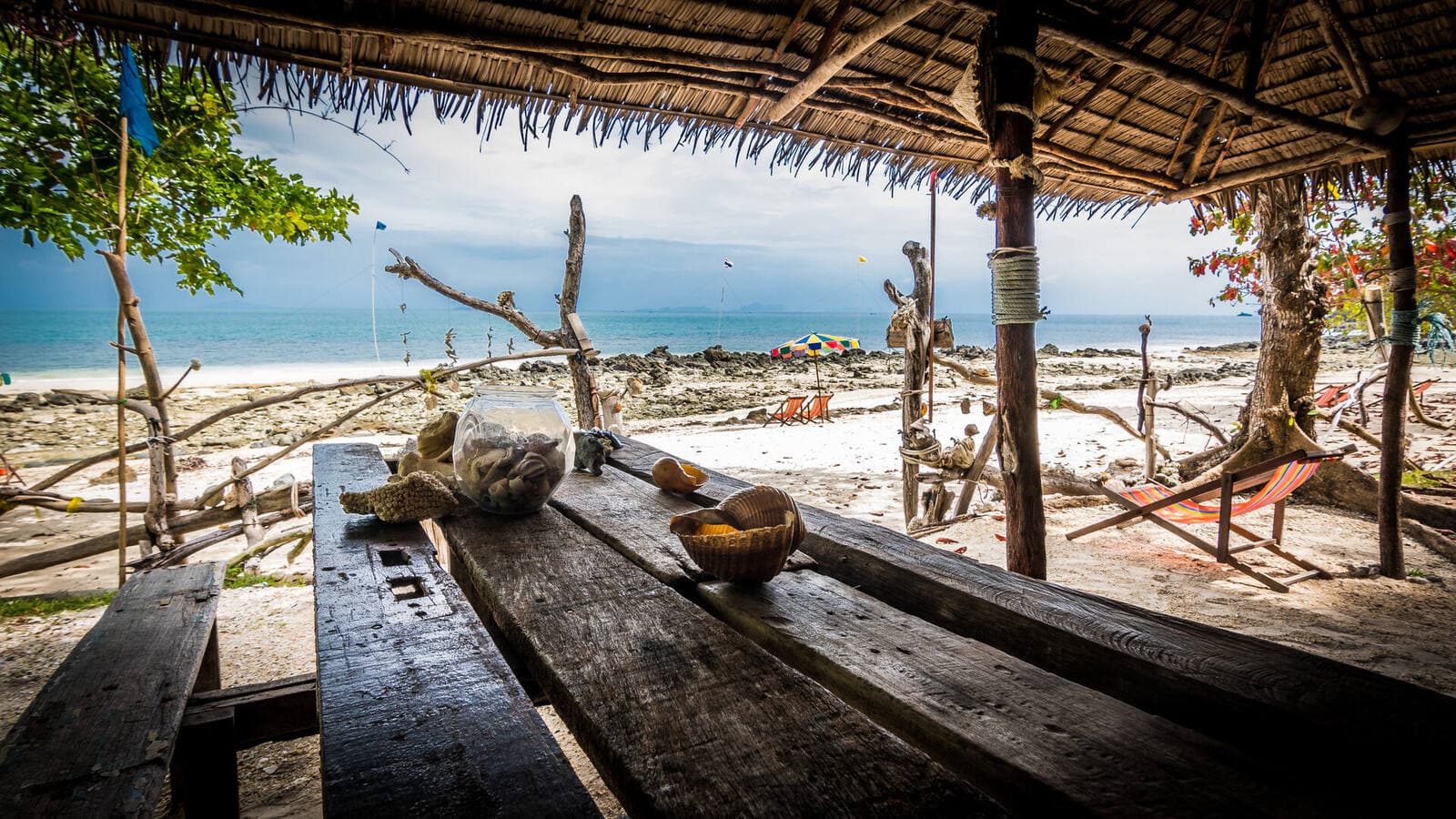
Ko Yao Yai's coastline stretches for over 60 kilometres, and scattered along it are some of the most deserted, photogenic beaches in all of Phang Nga Bay. Unlike the beaches on Phuket or Krabi, which tend to be lined with sun loungers, beach bars, and jet-ski operators, the beaches here are largely untouched. You may share them with a stray dog, a fisherman mending nets, or nobody at all. The trade-off is that facilities are minimal to nonexistent at most beaches - bring your own water, sunscreen, and shade.
Laem Haad Beach - The Iconic Sandbar
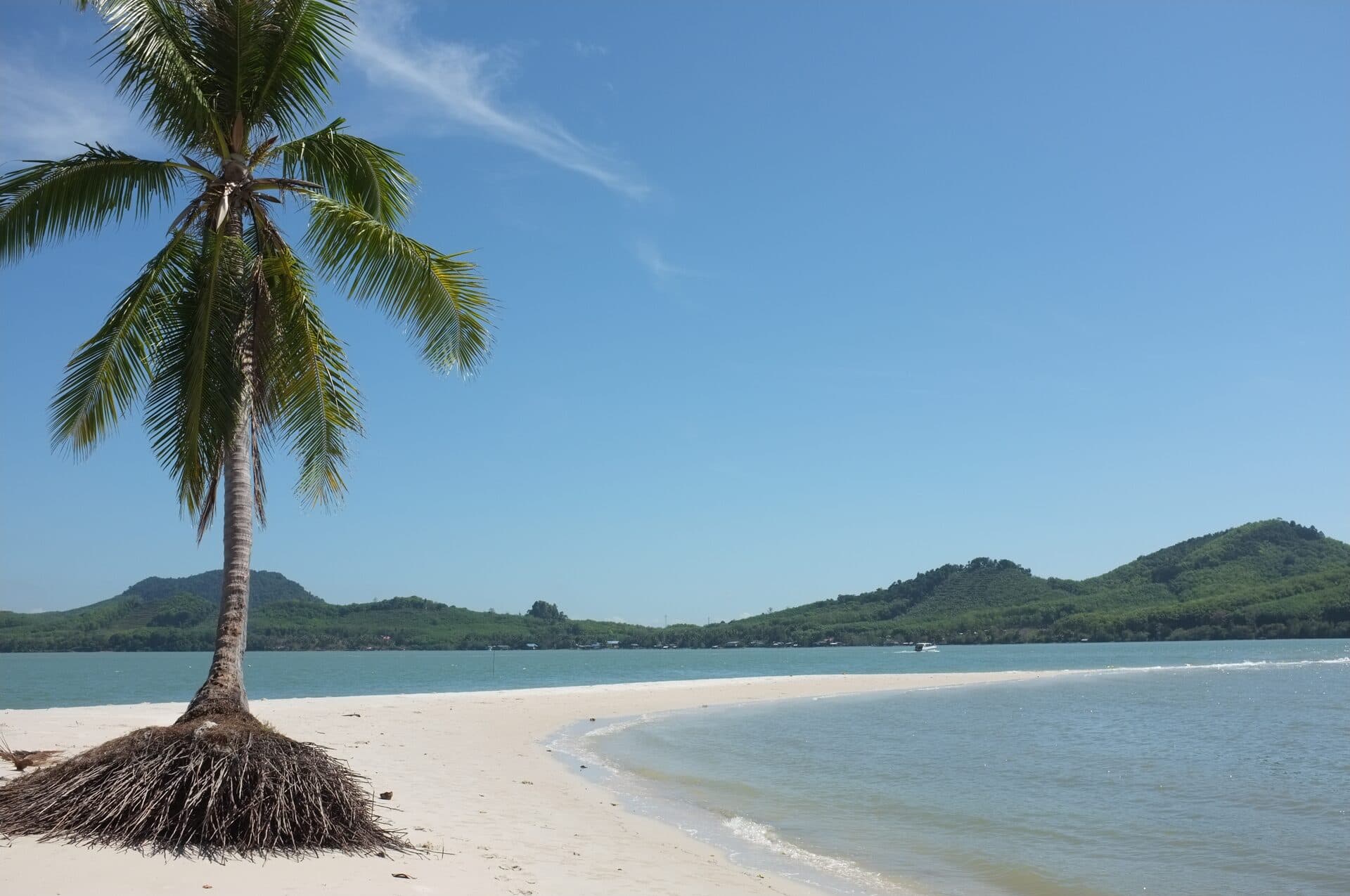
The single most photographed spot on Ko Yao Yai is Laem Haad, a dramatic sandbar that extends from the island's northern tip into the channel separating it from Ko Yao Noi. At low tide, the sandbar emerges as a long, narrow tongue of pristine white sand stretching hundreds of metres into the turquoise water, with the sea on both sides and the karst-studded horizon ahead. It is one of those rare natural phenomena that genuinely lives up to the photographs.
The sandbar's visibility depends entirely on the tidal cycle. At high tide, it disappears completely beneath the surface. As the water drops, the sand begins to break through, and by the lowest point of the tide the walkable sandbar can extend 300 metres or more. The best time to visit is during spring tides around the new and full moons, when the tidal range is greatest and the sandbar at its most dramatic. Arrive about an hour before the predicted low tide to watch the sand emerge, and plan to spend two to three hours before the rising water reclaims it.
Access to Laem Haad requires a short walk or motorbike ride from the main road to the northern tip of the island. The final stretch is through a shaded palm grove on a sandy track. There are no permanent facilities at the beach itself, though a small local vendor sometimes operates during peak season selling drinks and fruit.
Lo Pa Red Beach (Loh Paret) - The Main Beach Area
Loh Paret, located on the northeast coast of Ko Yao Yai near the main pier, is the closest thing the island has to a "main beach." The bay is broad and gently curving, with a sandy shore backed by coconut palms and a range of guesthouses, resorts, and restaurants. This is where most of the island's accommodation is concentrated, and where you will find the two 7-Eleven stores, various minimart shops, and several motorbike rental outlets on Ko Yao Yai.
The swimming conditions at Loh Paret are tide-dependent, as with most of the east coast. At high tide, the water is warm, shallow, and calm - ideal for wading and gentle swimming. At low tide, the sea retreats considerably, exposing sand flats and patches of seagrass. The overall atmosphere is quiet and unhurried, a far cry from the busy beach scenes on Phuket's west coast. In the mornings, you will often see local fishermen launching their longtail boats from the shore, and by late afternoon the bay turns golden as the sun sinks toward the island's interior hills.
Despite being the most "developed" beach on Ko Yao Yai, Loh Paret remains strikingly low-key. There are no beach clubs, no music systems blasting from bars, no vendors hawking sarongs or jet-ski rides. Several restaurants serve Thai staples - green curry, pad thai, grilled fish - and cold beers at sunset. For many visitors, this simplicity is precisely the attraction.
Ao Sai Beach - The Remote Southern Cove
At the opposite end of the island from Laem Haad, Ao Sai Beach sits on the wild southern coast of Ko Yao Yai, reachable only by a rough dirt track that branches off the main road. The journey itself is part of the experience: the track winds through dense rubber plantations, past a few scattered homesteads, and finally descends through a canopy of trees to reveal a secluded crescent of sand hemmed in by boulders and jungle-covered headlands.
Ao Sai is a boulder-strewn beach with character. Large granite rocks are scattered across the sand and into the shallows, creating natural pools and sheltered spots. The water here is deeper than on the east coast, the sand coarser and more golden, and the overall feeling markedly wilder. During the southwest monsoon months (May through October), the surf can be rough and swimming inadvisable, but from November through April the seas calm down and the snorkelling off the rocks can be surprisingly good, with small reef fish and occasional sightings of sea turtles feeding in the seagrass beds nearby.
There are no facilities at Ao Sai Beach. No restaurants, no toilets, no shade structures. Bring everything you need, including plenty of water and sun protection. The remoteness is the point: this is a place to sit on a warm boulder, listen to the waves, and feel genuinely alone on a tropical shore.
💡 Best Beach Strategy
Plan your beach day around the tides. Visit Laem Haad sandbar at low tide for the iconic experience, then head to Loh Paret or the east coast beaches at high tide for swimming. The west coast mangrove bays are interesting at any tide level.
Lo Jark Beach - Quiet East Coast Stretch
Lo Jark (also spelled Lo Chak or Lo Jak) is a tranquil stretch of sand on the mid-eastern coast of Ko Yao Yai, south of Loh Paret and accessible via a short side road off the main north-south route. The beach is narrower than Loh Paret but shares the same gentle character: soft sand, shallow water, coconut palms providing natural shade, and very few other people. A couple of small resorts are set back from the beach, but the overall development is minimal.
Lo Jark is a good option for visitors who want a quieter alternative to Loh Paret without the commitment of a long ride to the southern beaches. The swimming is tide-dependent but generally pleasant around high tide, and the beach faces east toward a particularly scenic stretch of karst formations that catch the morning light beautifully. It is also a rewarding spot for birdwatching at dawn, when white-bellied sea eagles and Brahminy kites patrol the shoreline.
Khlong Son Bay - Mangroves and Kayaking
On the western side of Ko Yao Yai, Khlong Son Bay is a broad, mangrove-fringed inlet that offers a completely different coastal experience. This is not a beach for swimming or sunbathing - the shoreline is a tangle of mangrove roots, and the water is shallow and murky with tannins from the forest. Instead, Khlong Son Bay is the island's premier kayaking destination, with winding channels that penetrate deep into the mangrove forest and open out into hidden lagoons teeming with crabs, mudskippers, and juvenile fish.
The mangroves along the west coast of Ko Yao Yai are ecologically significant, serving as nursery grounds for many marine species and providing critical habitat for migratory shorebirds. Kayaking through these channels at high tide is a peaceful, meditative experience - the only sounds are the splash of your paddle, the calls of kingfishers, and the occasional rustle of a monitor lizard retreating into the undergrowth. Several of the guesthouses around Loh Paret can arrange kayak rentals or guided mangrove tours on the west coast.
Things to Do on Ko Yao Yai
Ko Yao Yai is not the kind of island that overwhelms you with organised activities and tour desks. The pleasures here are simpler, slower, and largely self-directed. That said, the island's size, varied landscape, and surrounding waters offer a genuinely diverse range of experiences for visitors willing to explore on their own terms.
Explore the Laem Haad Sandbar at Low Tide
No visit to Ko Yao Yai is complete without witnessing the Laem Haad sandbar. The experience of walking out onto a narrow strip of white sand surrounded by turquoise water, with limestone karsts rising from the sea in every direction, is one of the most memorable moments the Andaman coast can offer. Check the tide tables, time your visit for the lowest point, and bring a camera with a wide-angle lens. The sandbar is at its most photogenic in the late afternoon light, but morning visits offer calmer conditions and fewer people (on the rare occasions that there are other people at all).
Motorbike the Length of the Island
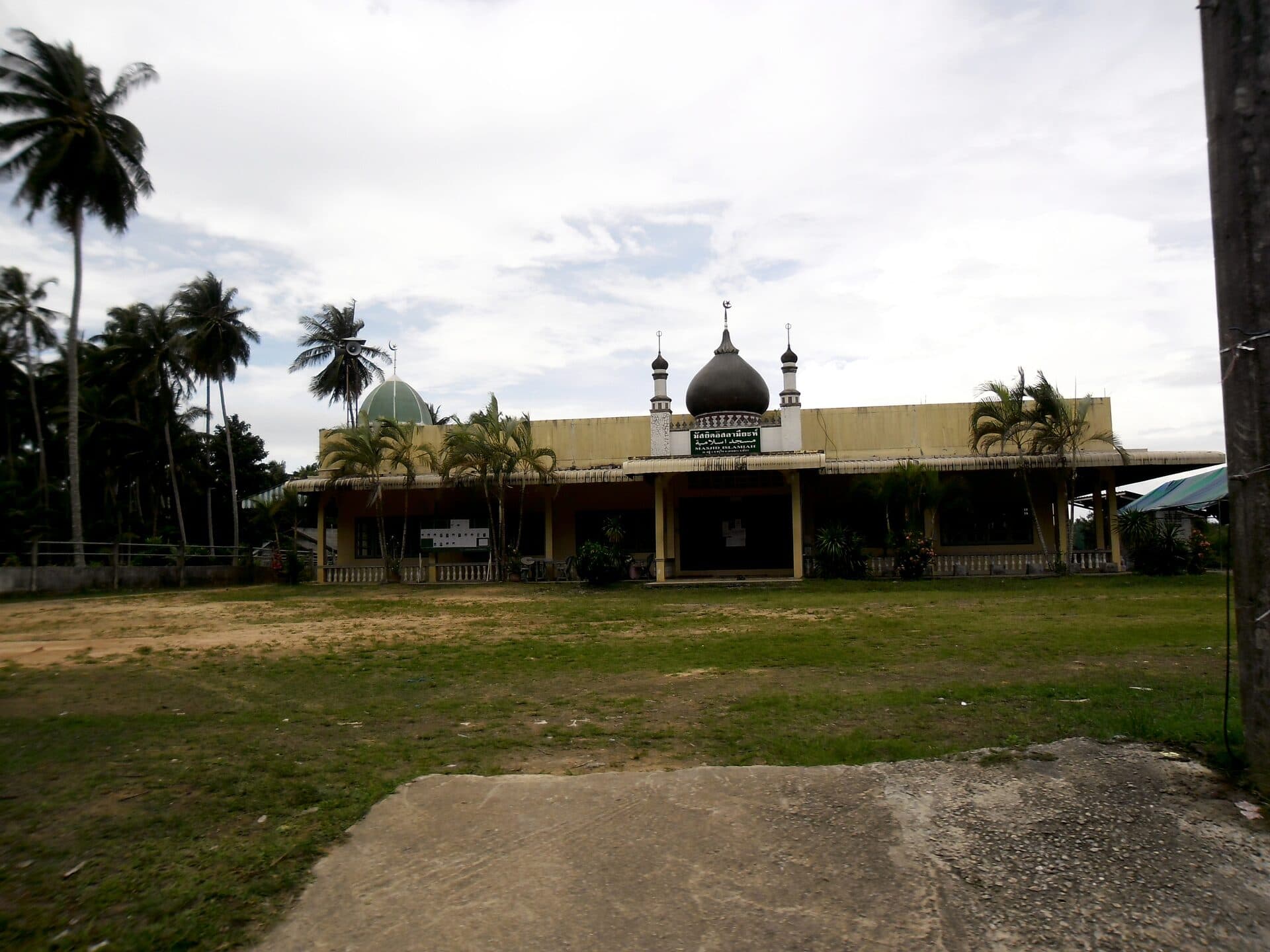
The single most rewarding way to experience Ko Yao Yai is on two wheels. The main road runs roughly north-south for about 20 kilometres, threading through rubber plantations, small villages, and stretches of coastal scenery. The ride from the northern pier area to the southern tip takes about 45 minutes without stops, but you will want to stop frequently - at viewpoints, beaches, roadside fruit stalls, and the quiet village mosques that punctuate the route.
The northern half of the island is flatter and easier to ride, with well-paved roads and gentle curves through plantation country. South of the island's midpoint, the terrain becomes hillier and the road surface deteriorates in places, with some sections of packed dirt and loose gravel. A standard 125cc automatic scooter handles the main road fine, but if you plan to explore the side tracks to southern beaches like Ao Sai, consider renting a semi-automatic or manual bike with more ground clearance.
Fuel is available from roadside vendors who sell petrol in recycled whisky bottles - a ubiquitous sight across rural Thailand. There are several fuel stations and 24-hour petrol outlets across the island, including a Bangchak station in the south and multiple fuel points near Chong Lard and Loh Paret. Fill up before heading south, as there are fuel availability is less reliable on remote southern tracks.
Visit the Fishing Villages
Ko Yao Yai's coastline is dotted with small fishing communities that have operated for generations. The fishing communities near the main pier areas are the most accessible. Around Chong Lard and Hinkong on the northeast coast, you will find compact clusters of wooden houses, mosques, shops, and piers where colourful longtail boats bob in the shallows. Watching the daily rhythm of a working fishing village - nets being mended, catches being sorted, boats being painted - is a grounding reminder of the traditional economy that sustains these islands.
On the west coast, Ban Tha Kai is a smaller, more isolated fishing settlement that sees very few tourists. The village sits at the edge of the mangroves, and the approach road passes through some of the densest rubber plantations on the island. There are no restaurants or shops aimed at visitors here, but the village is welcoming and the setting is atmospheric, particularly in the late afternoon when the fishing boats return.
Cycling the North
While the southern hills make cycling challenging for all but the fittest riders, the northern third of Ko Yao Yai is relatively flat and well-suited to bicycle exploration. The roads through the rubber plantations are shaded by the canopy of mature trees, and the traffic is minimal - you might encounter a few motorbikes and the occasional pickup truck, but long stretches of road will be entirely yours. Several of the guesthouses near Loh Paret rent mountain bikes, and a half-day ride through the northern plantation country, with a detour to Laem Haad, makes for a rewarding morning.
Snorkelling and Kayaking
The waters around Ko Yao Yai offer good snorkelling, particularly off the east coast where seagrass meadows attract green sea turtles, and around the rocky headlands of the south coast where coral growth supports colourful reef fish. The best visibility is during the dry season from November through April, when the seas are calm and the water clarity is at its peak. Snorkelling gear can be rented from guesthouses in the Loh Paret area, and longtail boat trips to nearby snorkelling sites can be arranged locally.
Kayaking is the other great water activity on Ko Yao Yai, with the mangrove channels on the west coast offering the most atmospheric paddling. The sheltered waters between Ko Yao Yai and Ko Yao Noi are also excellent for sea kayaking, with the short crossing between the islands taking about 30 to 40 minutes in calm conditions - though this should only be attempted by confident paddlers, as the channel does carry current.
Sunset Viewpoints on the West Coast
The western side of Ko Yao Yai faces the open Andaman Sea and the silhouettes of Phuket's hills in the distance, making it the natural choice for sunset watching. Several informal viewpoints exist along the west coast road, typically at elevated spots where the road crests a hill and the mangrove canopy opens up to reveal the sea. There are no developed sunset bars or platforms - you simply pull over, sit on a rock, and watch. The sunsets during the dry season, when the air is clearest, can be extraordinary, with the sky cycling through shades of orange, pink, and violet as the sun drops behind the outline of Phuket.
Day Trip to Ko Yao Noi
The channel between Ko Yao Yai and Ko Yao Noi is narrow enough to swim (though that is not recommended), and longtail boats make the crossing in about 10 minutes. A day trip to Ko Yao Noi offers access to the wider range of restaurants, the climbing area at Tha Khao, and the more developed beach and accommodation scene. Boats depart from the pier near Loh Paret and from the Chong Lard pier area on Ko Yao Yai, with departures roughly every hour during daylight. It is a cheap and easy excursion that adds variety to a Ko Yao Yai stay.
Visit the Local Market in Loh Paret
The small market in the Loh Paret area operates most actively in the morning, when local vendors sell fresh fish, tropical fruit, vegetables, and prepared Thai dishes. It is not a large or particularly photogenic market by Thai standards, but it is entirely authentic - a place where islanders do their daily shopping. Picking up a bag of freshly grilled chicken skewers (gai yang) and a bag of sticky rice from the market vendors is one of the best and cheapest meals available on the island.
⚠️ Road Safety
The roads in the southern half of Ko Yao Yai can be rough, with loose gravel, potholes, and steep gradients. Wear a helmet at all times, ride within your ability, and avoid unfamiliar tracks after dark. If you are not an experienced motorbike rider, stick to the paved main road in the north.
Where to Stay on Ko Yao Yai
Accommodation on Ko Yao Yai is limited compared to its sister island and incomparably more sparse than anything on Phuket or Krabi. The island now has several established resorts - Santhiya Koh Yao Yai Resort & Spa is the largest, along with Elixir Resort, Thiwson Beach Resort, and Koh Yao Yai Village Beach Resort - alongside a range of guesthouses, family-run bungalow operations, and mid-range boutique properties. The accommodation scene has grown significantly in recent years.
Loh Paret - The Main Accommodation Area
The vast majority of Ko Yao Yai's accommodation is concentrated in and around the Loh Paret area on the northeast coast, within walking or short riding distance of the main pier. Here you will find a wide range of accommodation, from basic fan-cooled bungalows to comfortable air-conditioned rooms and full-service resorts with pools and spas. Expect simple but clean rooms, friendly Thai-Muslim hosts, and a pace of life that revolves around meal times, tide times, and not much else.
The accommodation around Loh Paret typically includes an on-site restaurant, and many offer motorbike rental, snorkelling gear, and help arranging boat trips. The area also has numerous independent restaurants and cafes. Booking in advance is wise during the peak season from December through February, when the limited number of rooms fills up quickly. During the low season (May through October), many properties reduce their rates significantly and some close entirely.
Isolated East Coast Properties
Several resorts and villa properties have established themselves along the east coast, including Santhiya Resort & Spa, Yao Yai Beach Resort, Blue Bay Resort, and Heimat Garden. These tend to be more upmarket, offering a private, retreat-like experience with good design, on-site restaurants, and sometimes a swimming pool. They appeal to couples and honeymooners who want seclusion without roughing it. Access is via the main road with short side-road detours, and having your own motorbike is essentially mandatory as some of these properties are set back from the main village areas.
The Undeveloped South
The southern portion of Ko Yao Yai is less developed but not without options. Elixir Resort occupies a prime spot on the south coast, and a few other properties are scattered along this stretch. The landscape is beautiful and wild - steep hillsides, hidden coves, dense jungle - and accommodation here tends toward the secluded and retreat-like rather than the casual guesthouse style found further north.
Most Visitors Base on Ko Yao Noi
It is worth noting that the majority of visitors to the Ko Yao archipelago base themselves on Ko Yao Noi, which offers a much wider range of accommodation at every price point, from the ultra-luxury Six Senses Yao Noi to budget backpacker bungalows. From Ko Yao Noi, it is easy to visit Ko Yao Yai as a day trip - the longtail crossing takes about 10 minutes and costs just 20 THB. This is a perfectly valid strategy, particularly for first-time visitors to the islands or those who want the security of more restaurants, shops, and services close at hand while still being able to explore Ko Yao Yai's wilder landscapes during the day.
For those who do choose to stay on Ko Yao Yai itself, the reward is an experience of genuine island immersion that is increasingly rare in modern Thailand. Evenings are quiet, the sky at night is magnificently dark, and you fall asleep to the sound of geckos and the distant hum of fishing boats heading out for the night catch.
💡 Booking Tip
Many guesthouses on Ko Yao Yai do not appear on major booking platforms. Ask at the pier when you arrive, or check with your guesthouse host on Ko Yao Noi for recommendations. Word of mouth remains the primary booking method for several of the island's best-value properties.
Getting to Ko Yao Yai
Ko Yao Yai is accessible by boat from multiple departure points on the mainland and from neighbouring Ko Yao Noi. The most common routes are outlined below.
From Ko Yao Noi (Most Common)
The majority of visitors reach Ko Yao Yai from Ko Yao Noi, hopping across the narrow channel that separates the two islands. Longtail boats operate frequently between Tha Khao pier on Ko Yao Noi and the pier near Loh Paret on Ko Yao Yai. The crossing takes approximately 10 minutes and costs around 20 THB per person (30 THB if you bring a motorbike). Boats run throughout the day from roughly 7am to 5pm, with the most frequent departures in the morning and early afternoon.
Direct from Phuket
Some ferry services from Phuket run directly to Ko Yao Yai's pier without stopping at Ko Yao Noi. These services typically depart from Bang Rong Pier on Phuket's northeast coast, the same pier used by the Ko Yao Noi ferries. The direct crossing takes about 45 to 60 minutes. Schedules vary by season and operator, so check locally for current departure times. During the low season, direct services to Ko Yao Yai may be reduced or suspended, in which case the best option is to take any ferry to Ko Yao Noi and then catch a longtail across.
From Krabi
Ferries from Krabi also reach Ko Yao Yai, typically departing from Tha Lane Pier or the Nopparat Thara area. The crossing is longer than from Phuket, usually taking around 60 to 90 minutes depending on the route and vessel. As with the Phuket ferries, direct services to Ko Yao Yai are less frequent than those to Ko Yao Noi, and it is often simpler to transit via Ko Yao Noi.
From Ao Nang and Railay
During the high season, occasional speedboat services connect Ao Nang and Railay Beach with the Ko Yao islands. These are faster but more expensive than the regular ferries, and they are primarily aimed at tourists rather than local commuters. Ask at the travel agencies on Ao Nang's main street for current schedules and prices.
Arrival on Ko Yao Yai
The main pier on Ko Yao Yai is located in the Loh Paret area on the northeast coast. It is a simple concrete pier without the ticket offices, shops, or minivan touts you might encounter at larger ferry terminals. Motorbike taxis (motorcycle with sidecar) sometimes wait at the pier to carry passengers and their luggage to nearby guesthouses. If you have pre-booked accommodation, ask your guesthouse whether they offer pier pickup - many do, particularly for first-time visitors who may not know the island's layout.
Getting Around Ko Yao Yai
Getting around Ko Yao Yai requires either your own transport or a willingness to walk long distances. There is no public bus service, no taxi service, no ride-hailing apps, and no tuk-tuks. The island is simply too large and too sparsely populated to support any form of public transport.
Motorbike Rental - The Essential Option
A rented motorbike is far and away the most practical way to explore Ko Yao Yai. Without one, you are effectively confined to the Loh Paret area and whatever your feet can reach. With one, the entire island opens up - from Laem Haad in the north to Ao Sai in the south, and every hidden track and viewpoint in between.
Motorbike rental is available from several outlets near the main pier in Loh Paret, and most guesthouses can also arrange a bike for you. The standard offering is a 125cc automatic scooter (Honda Click or Yamaha Fino), which is sufficient for the main road and most side tracks. If you plan to venture onto the rougher southern tracks, look for a semi-automatic Honda Wave or a manual bike with knobbier tyres.
Rental rates on Ko Yao Yai are generally reasonable by Thai island standards. Expect to pay a daily rate with discounts for multi-day rentals. You will typically be asked to leave your passport or a cash deposit as security. An international driving licence with a motorcycle endorsement is technically required by Thai law, though enforcement on the islands is minimal. Regardless of legal requirements, wearing a helmet is non-negotiable for your own safety - the roads can be unpredictable, and the nearest serious medical facility is on the mainland.
Road Conditions
The main north-south road on Ko Yao Yai is paved with concrete or asphalt for most of its length and is in generally good condition, with occasional potholes and speed bumps near villages. This road is safe and comfortable for riders of all experience levels. Side roads branching east and west to beaches and viewpoints vary enormously - some are well-maintained concrete lanes, others are rutted laterite tracks that become muddy and treacherous after rain.
The southern third of the island is where road conditions deteriorate most noticeably. The main road narrows, the surface becomes patchy, and the gradients increase as the terrain gets hillier. The access tracks to Ao Sai Beach and other southern coves are unpaved and can be challenging even in dry conditions. Inexperienced riders should think carefully before attempting these routes, particularly in the wet season.
Cycling
Cycling is a viable option for exploring the northern portion of Ko Yao Yai, where the terrain is flatter and the distances between points of interest are manageable. Mountain bikes can be rented from some guesthouses in Loh Paret. The shaded plantation roads make for pleasant pedalling, and the minimal traffic means you can ride safely even on the main road. However, cycling the full length of the island is a serious undertaking - the distances are long, the heat can be intense, and the southern hills will test your legs. Carry plenty of water and start early in the morning to avoid the midday sun.
On Foot
Walking is practical within the Loh Paret area and for short excursions to nearby beaches, but Ko Yao Yai is simply too large to explore on foot in any comprehensive way. The 20-plus kilometre length of the island makes walking impractical for anything beyond local exploration. That said, the walk from Loh Paret north to Laem Haad (roughly 8 kilometres each way) is manageable for fit walkers and passes through attractive plantation scenery.
⚠️ Fuel Up Before Heading South
The roads in the southern half of Ko Yao Yai can be rougher. While there are fuel stations across the island (including a Bangchak station in the south), fill your tank before exploring remote southern tracks where roadside fuel vendors may not always be available.
Ko Yao Yai vs Ko Yao Noi - A Detailed Comparison
The question of which island to visit - or which to base yourself on - is the central planning decision for any Ko Yao trip. The two islands are only a 10-minute boat ride apart and share the same spectacular Phang Nga Bay setting, but they offer distinctly different experiences.
Size and Development
Ko Yao Yai is roughly three times the size of Ko Yao Noi (approximately 100 sq km vs 35 sq km), yet it has a fraction of the tourist infrastructure. Ko Yao Noi has dozens of hotels and guesthouses at every price point, multiple restaurants serving international cuisine, convenience stores, ATMs, and a 7-Eleven. Ko Yao Yai has a growing number of guesthouses and resorts, including Santhiya Resort & Spa, plus over 20 restaurants and cafes, two 7-Elevens, and around 9 ATMs. The development gap is real but narrowing.
Character and Atmosphere
Ko Yao Noi has successfully balanced tourism and tradition - it is more visited but still retains a strong local identity, with rubber plantations, mosques, and fishing boats existing alongside yoga studios and boutique hotels. The island has an international, slightly bohemian feel that attracts a mix of travellers, from luxury resort guests to budget backpackers.
Ko Yao Yai, by contrast, feels almost untouched by tourism. The local economy revolves around rubber, coconut, and fishing, not hotel rooms. You will see far more working boats than tourist boats, far more plantation workers than fellow travellers, and the rhythm of daily life is dictated by prayer times and tidal cycles rather than tour schedules. The island has an authenticity that Ko Yao Noi, for all its charm, cannot quite match.
Beaches
Both islands have beautiful beaches, but the character differs. Ko Yao Noi's beaches tend to be more accessible, with accommodation and restaurants nearby. Ko Yao Yai's beaches - with the exception of Loh Paret - tend to be more remote, requiring motorbike rides on rough tracks. The payoff is solitude: you are far more likely to have an entire beach to yourself on Ko Yao Yai. Laem Haad, the sandbar at the northern tip of Ko Yao Yai, is arguably the single most spectacular beach feature in the entire Ko Yao archipelago.
Activities
Ko Yao Noi offers a wider organised activity scene: rock climbing at Tha Khao, cooking classes, yoga retreats, guided kayak tours, and snorkelling trips. Ko Yao Yai's activities are more self-directed - motorbike exploration, independent beach-hopping, cycling, and DIY snorkelling. If you want a structured activity programme, Ko Yao Noi is the better base. If you prefer to make your own adventure, Ko Yao Yai is ideal.
Food and Dining
Ko Yao Noi has a genuinely varied dining scene with Thai, Italian, Israeli, and other international options. Ko Yao Yai has over 20 restaurants and cafes, mostly concentrated around Loh Paret and along the main road, including Thai, international, and cafe options like Isaan Fine, Chill Chill @ Pai, and Heal your Heart Cafe. Ko Yao Noi still has more variety and international options, but the dining gap has narrowed considerably.
Who Should Choose Ko Yao Yai?
Ko Yao Yai is best suited to adventurous travellers, experienced motorbike riders, nature enthusiasts, and anyone who actively seeks solitude and rawness over comfort and convenience. It appeals to repeat visitors to Thailand who have already experienced the more popular islands and want something genuinely off the beaten path. Couples seeking a romantic escape beyond the resort bubble, wildlife watchers, photographers, and writers will all find Ko Yao Yai deeply rewarding.
Who Should Choose Ko Yao Noi?
Ko Yao Noi is the better choice for first-time visitors to the Ko Yao islands, families with young children, travellers who want a range of dining options, and anyone who prefers having infrastructure and services within easy reach. It is also the safer bet during the low season, when some of Ko Yao Yai's accommodation may close for the season.
The Best of Both Worlds
The ideal strategy for many visitors is to base themselves on Ko Yao Noi - where accommodation, food, and services are more plentiful - and make day trips to Ko Yao Yai for beach exploration, motorbike touring, and the Laem Haad sandbar experience. The 10-minute longtail crossing makes this easy and affordable, giving you access to both islands' strengths while also enjoying the quieter atmosphere of Ko Yao Yai.
Frequently Asked Questions About Ko Yao Yai
How do I get from Ko Yao Noi to Ko Yao Yai?
Is Ko Yao Yai safe for solo travellers?
Are there ATMs on Ko Yao Yai?
When is the best time to visit Laem Haad sandbar?
Can I cycle around Ko Yao Yai?
Is there good snorkelling around Ko Yao Yai?
What is the difference between Ko Yao Yai and Ko Yao Noi?
Do I need a motorbike on Ko Yao Yai?
Is there mobile phone signal on Ko Yao Yai?
Can I visit Ko Yao Yai as a day trip from Phuket?
✨ The Real Thailand, 30 Minutes from Phuket
Ko Yao Yai is proof that genuine, uncommercialized island life still exists in the Andaman Sea. It demands a little more effort, a little more self-reliance, and a willingness to trade convenience for authenticity. In return, it offers something increasingly rare: the feeling of discovering a place that has not yet been discovered.
 Written by Matt | Last updated: